Updated 2026-10-16 · 4 min read
Why every product page on this site lists a weight
Weight is the least glamorous specification on any product page and the most reliable one. Here is why we publish it, what it tells you, and where it comes from.
Because it is the one number suppliers do not decorate
Diameters get rounded down. Lengths get measured to the tip of the base. Materials get described as "silicone-like". Weight is harder to inflate, because it is the number a shipping label has to agree with.
That makes it the most trustworthy figure in a supplier catalogue — and the one we can pass on without re-measuring anything.
What weight actually tells you
- Whether it stays put. Under 1 kg is handheld. Around 2 kg sits on a surface. Past 3 kg it holds a position.
- How much material you are getting. Two items at the same length with very different weights are built very differently inside.
- What storage it needs. The 8.5 kg piece needs a place, not a drawer.
- What shipping costs. Heavier parcels are more expensive to move, which is part of why large-format items are priced where they are.
Where the number comes from, and when it is missing
Our weights come from the supplier's stock sheet — the same document the warehouse uses. We do not weigh items ourselves and we do not estimate.
When the supplier has left the field blank, the page shows no weight rather than a guess. You will see that on a number of the smaller accessories, where it simply does not matter, and on a few items where it would be useful but was never recorded.
Mentioned in this post

Single-Mould Torso — 8.5 kg

Sherry Half-Body Doll — 2500 g
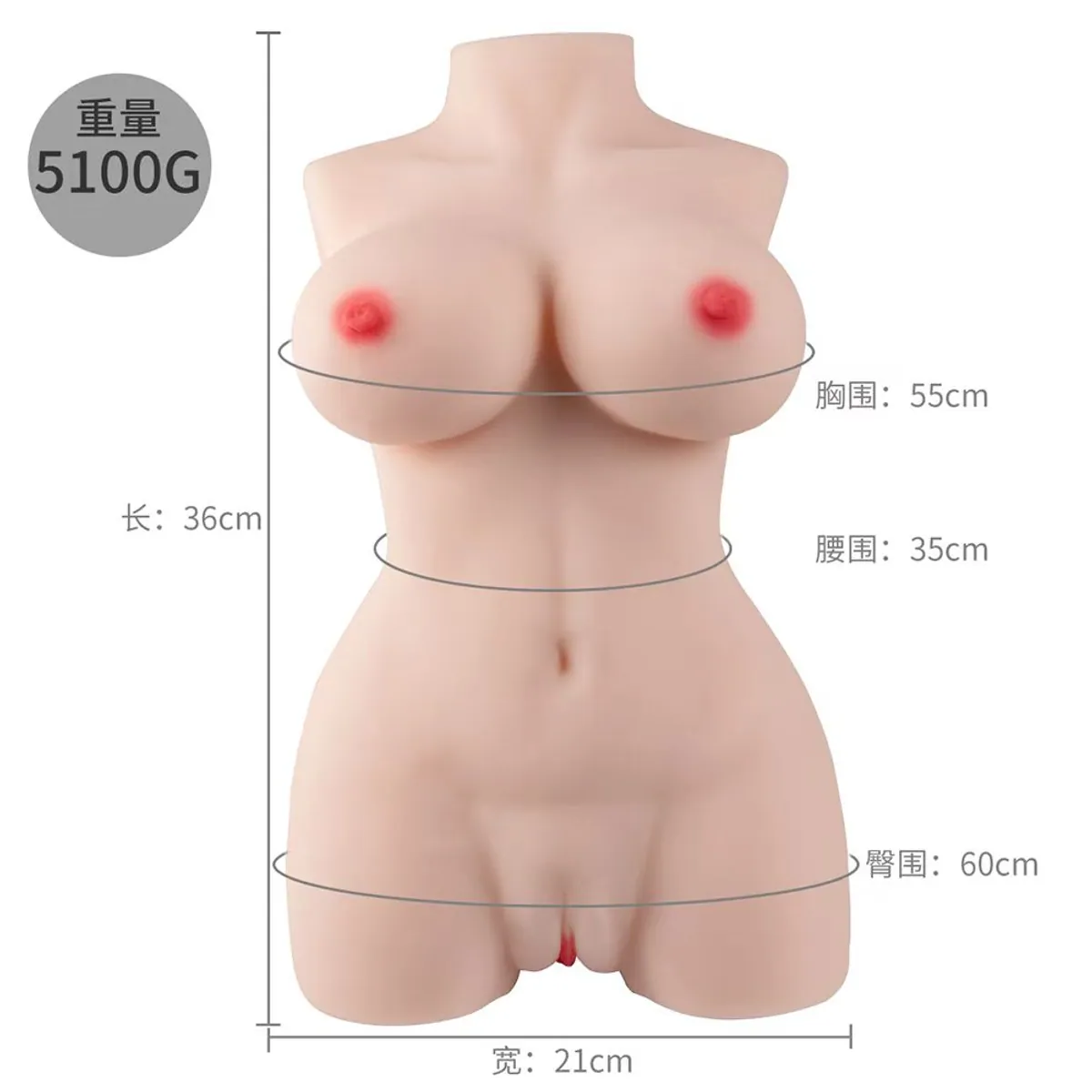
Lingxue Full-Body Doll — 5.1 kg
Questions
Is the weight the product or the product plus packaging? +
The product. Where the packaging was included in the supplier's figure, we do not carry that number over.
Why do some pages have no weight? +
Because the supplier did not record one. We would rather leave it blank than publish an invented number.
Related